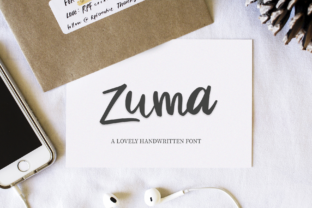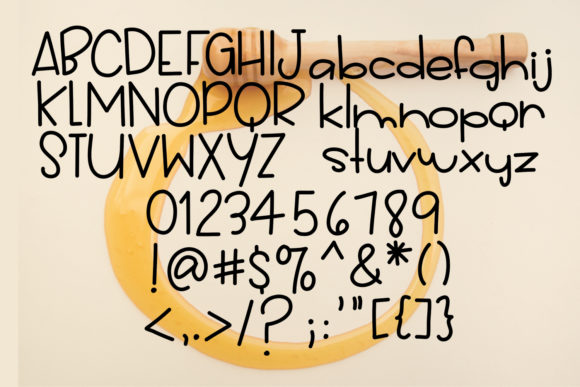
Bumbly Font: A Playful Handwritten Typeface for Crafters
As a small business owner and printable creator, I am constantly searching for that perfect balance between professional polish and handmade charm. We all know the struggle of finding a script font that feels authentic rather than manufactured, especially when designing products that need to stand out in a crowded marketplace. This is where Bumbly by Scout and Rose Design Co. has become an essential tool in my digital asset library. It is a handwritten font that manages to be striking yet playful, offering a visual personality that translates beautifully from screen to physical product. For those of us creating invitations, greeting cards, labels, or digital downloads, having a reliable typeface that evokes warmth without sacrificing legibility is crucial for maintaining brand consistency and customer appeal.
Elevating Handmade Products with Authentic Typography
The true test of any creative font is how it performs on actual merchandise. Bumbly shines because it retains the organic imperfections of hand-lettering while remaining clean enough for commercial production. When I design candle labels or jar stickers, readability is just as important as aesthetics. A font that is too loopy can become illegible at small sizes, but Bumbly maintains excellent character definition even when scaled down for 2-inch circle stickers or narrow product tags. The letterforms have a bouncy, rhythmic baseline that adds movement to static designs, making packaging feel alive and inviting rather than stiff and corporate.
This typeface is particularly effective for boutique branding. Whether you are designing hang tags for knitwear, thank-you cards for Etsy orders, or custom tissue paper patterns, the font’s inherent friendliness helps build an emotional connection with the buyer. In the world of handmade goods, customers are often buying a feeling as much as a product. Using a premium font like Bumbly signals that care was taken in every detail of the presentation. It bridges the gap between rustic farmhouse vibes and modern typography, making it versatile enough for a wide range of niches from baby showers to artisanal food packaging.
Practical Applications for Stationery and Printables
For stationery designers and invitation creators, Bumbly serves as an exceptional display font for headers and names. Wedding welcome boards, seating charts, and menu cards benefit immensely from its expressive style. Because it is a script amp category font, it pairs naturally with wedding aesthetics, yet it avoids the overly formal calligraphy look that can sometimes feel dated. Instead, it offers a relaxed elegance that suits garden parties, brunch weddings, and casual celebrations perfectly. When designing printable wall art, this font works beautifully for short inspirational quotes, nursery decor, or seasonal greetings where the text needs to act as the primary visual element.
Digital download creators will also find value in its versatility. If you sell editable templates or social media graphics, including Bumbly (or designs made with it) can elevate the perceived value of your offerings. It is ideal for Instagram story templates, Pinterest pins, and blog post graphics where you need to grab attention quickly. The playful nature of the letters encourages engagement, making text-heavy graphics feel more approachable. For planner enthusiasts and journaling communities, this handwritten font adds a personal touch to digital sticker packs and monthly cover pages, mimicking the experience of writing by hand without the mess.
Technical Considerations for Cutting Machines and Production
As someone who frequently uses Cricut and Silhouette machines, I pay close attention to how a font cuts. Not all script fonts are created equal; some have thin hairlines that tear easily on vinyl or cardstock. Bumbly generally holds up well during the weeding process because of its consistent stroke weight. However, when working with intricate lettering on adhesive vinyl or heat transfer vinyl (HTV), always perform a test cut. For t-shirts and tote bags, ensure the font size is large enough that the internal counters of letters like 'a', 'e', and 'o' do not close up during pressing. If you are creating layered paper crafts or shadow boxes, this font’s bold characteristics make it easier to align layers compared to ultra-thin scripts.
Readability should always guide your sizing decisions. While Bumbly is fantastic for titles and names, it is best used sparingly for body copy. For longer descriptions on product packaging or detailed invitation information, pair it with a clean sans serif font or a simple serif font. This contrast not only improves legibility but also creates a professional typographic hierarchy. A bold display font like Bumbly draws the eye to the most important information—the couple’s names, the product title, or the sale price—while the supporting text provides necessary details without competing for attention.
Font Pairing and Design Assets Strategy
Creating a cohesive brand identity often relies on effective font pairing. Bumbly acts as the star of the show, so your secondary typeface should play a supporting role. For a modern, minimalist look, pair it with a geometric sans serif font. This combination works exceptionally well for skincare labels, tech accessory packaging, or contemporary home decor. If you are aiming for a more traditional or vintage aesthetic, try pairing it with a classic serif font. This duo evokes nostalgia and quality, perfect for bakery boxes, book covers, or heritage-style stationery.
When exploring the design assets included with Bumbly, check for alternates, ligatures, and swashes. These features are goldmines for customization. Swashes can extend the flourish of a capital letter on a wedding invitation envelope, while alternate characters can prevent repetition in longer phrases. Always verify multilingual support if you create products for international markets or bilingual packaging. Understanding the full capabilities of the typeface allows you to maximize its utility across different projects, ensuring you get the most value from your purchase.
Navigating Commercial Licensing for Sellers
Before incorporating Bumbly into products intended for sale, it is vital to understand the commercial font licensing terms provided by Scout and Rose Design Co. As creators, we must respect intellectual property while building sustainable businesses. Review whether the license covers physical end products, digital templates, or both. Some licenses allow for unlimited physical sales but restrict the use of the font file itself in editable templates sold to others. Clarifying these distinctions protects your shop from legal issues and supports the type designer who created the asset.
Additionally, consider how the font fits into your long-term brand strategy. Investing in high-quality, commercially licensed fonts like Bumbly is an investment in your business's visual foundation. Consistent use of distinctive typography helps customers recognize your work instantly, whether they see it on a market stall, an Instagram feed, or a friend's refrigerator. By treating typography as a core component of your product development rather than an afterthought, you elevate your craft from hobbyist to professional maker. Bumbly offers that rare combination of artistic flair and commercial viability that makes it a staple for serious crafters and sellers alike.